The Science of Cellular Longevity for Mature Skin
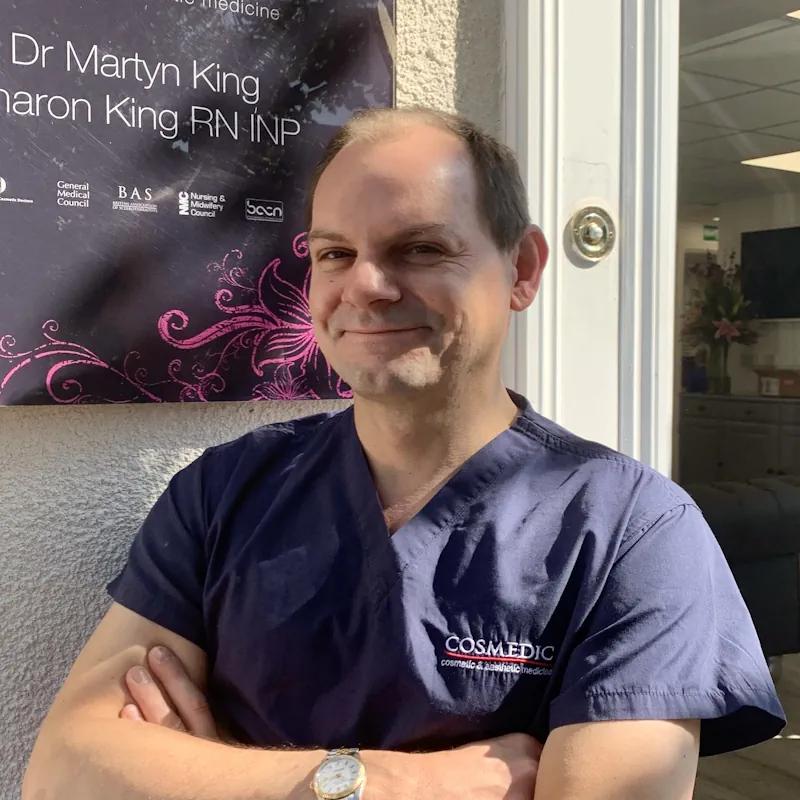
Medically Reviewed by Dr. Martyn King
GMC Registered Medical Director
This article has been peer-reviewed and verified for clinical accuracy. Dr. King is an expert in cosmetic medicine, international aesthetic trainer, and Founder of the Aesthetics Complications Expert Group (ACE).
Contents
In recent years, the aesthetic industry has undergone a significant paradigm shift. We are moving away from the traditional "anti-aging" narrative—which often focused on reactive corrections—toward a more proactive philosophy of cellular longevity. This approach doesn't just look at the surface; it examines the biological mechanisms that drive skin health as we age, particularly during the complex hormonal transitions of menopause and beyond.
As a clinician, my goal is to help patients navigate these changes using evidence-based protocols that respect the skin’s physiology while optimizing its regenerative potential.
Understanding the Longevity Shift
Cellular longevity in dermatology refers to maintaining the structural and functional integrity of skin cells for as long as possible. For mature skin, this involves addressing the "hallmarks of aging," such as cellular senescence, oxidative stress, and the depletion of essential proteins like collagen and elastin.
One of the most profound shifts in mature skin occurs during menopause. The drop in oestrogen levels leads to a rapid decline in skin thickness, hydration, and elasticity—a condition often referred to as Estrogen-Deficient Skin (EDS). Modern advancements, such as MEP (Methyl Estraodiolpropanoate) technology, have allowed us to address these specific hormonal pathways non-hormonally, encouraging the skin to behave as if oestrogen were still present without systemic effects.
The Role of Regenerative Therapies
The "well-aging" toolkit has expanded to include regenerative medicine, which aims to restore tissue function rather than simply filling a line. Among the most discussed innovations are exosomes—extracellular vesicles that act as messengers between cells, carrying growth factors and signalling proteins.
When combined with traditional techniques, these therapies show significant promise. For instance, microneedling with exosomes is currently being evaluated for its efficacy in treating skin aging, hyperpigmentation, and enlarged pores. While the clinical community agrees that more large-scale, long-term research is required to fully define safety and efficacy profiles, the initial data suggests a powerful synergy in enhancing the skin's natural repair mechanisms.
The Metabolic Connection to Skin Health
Longevity is not just about topical applications; it is intrinsically linked to our systemic health. Metabolic conditions, such as diabetes mellitus, can significantly accelerate the cutaneous aging process.
Research indicates that individuals with diabetes frequently exhibit features of accelerated aging, including premature wrinkling and xerosis (extreme dryness). This is often driven by the accumulation of advanced glycation end products (AGEs) and chronic low-grade inflammation. For these patients, a "diabetes-informed" approach to aesthetics is essential. We must consider how metabolic status influences wound healing and tissue repair when selecting procedures like chemical peels or laser resurfacing.
Structural Integrity: Balancing Technology and Surgery
For many patients, the journey toward cellular longevity involves energy-based devices. Radiofrequency Microneedling (RFMN) has become a gold standard for addressing skin laxity and promoting deep dermal remodeling. However, as we look at the long-term "longevity" of the face, we must be strategic.
A recent scoping review highlighted the importance of navigating the intersection between RFMN and future surgical interventions. While RFMN is highly effective at tightening the skin through collagen deposition, it can alter tissue planes and cause dermal fibrosis. For patients who may eventually consider a surgical facelift, it is vital to discuss the timing and frequency of these treatments to ensure that the internal tissue remains healthy and pliable for future procedures.
A Holistic Protocol for Mature Skin
Achieving true cellular longevity requires a nuanced, individualized plan. It is no longer enough to offer a one-size-fits-all solution. Instead, we must look at the patient’s hormonal health, metabolic background, and long-term aesthetic goals.
By focusing on the science of how our cells age, we can move beyond temporary fixes and toward a future where mature skin remains resilient, vibrant, and healthy at every stage of life. Whether through addressing oestrogen deficiency or utilizing the latest in regenerative signaling, the goal remains the same: supporting the skin’s innate ability to renew itself.