Did you know? 5 interesting facts from our Medical Director, Dr Martyn King
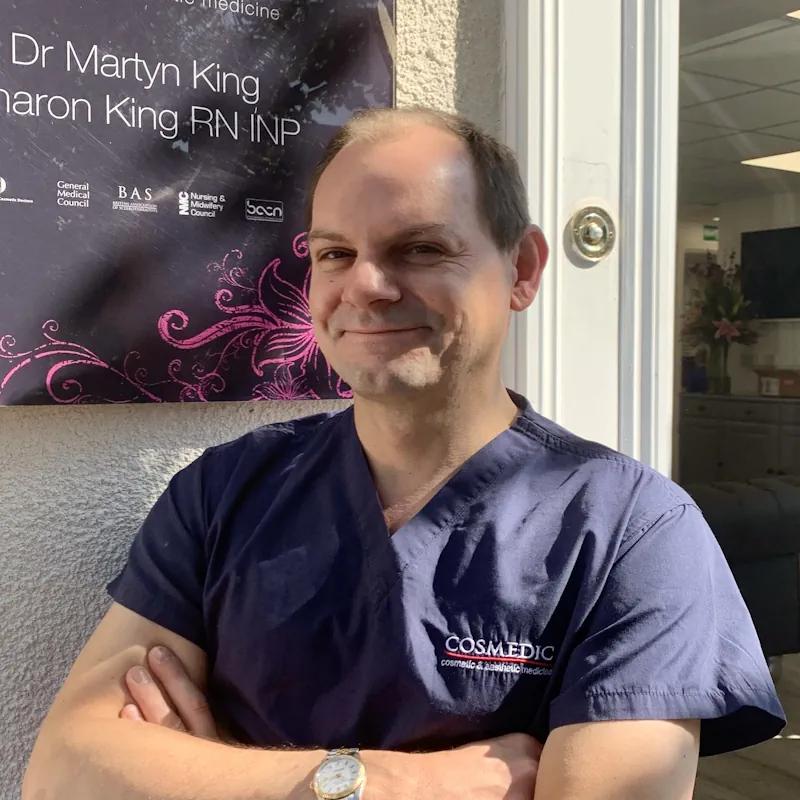
Medically Reviewed by Dr. Martyn King
GMC Registered Medical Director
This article has been peer-reviewed and verified for clinical accuracy. Dr. King is an expert in cosmetic medicine, international aesthetic trainer, and Founder of the Aesthetics Complications Expert Group (ACE).

Contents
- 1. Your Skin Completely Renews Itself Every Month… But Not at Every Age
- 2. Your Skin Is Home to Billions of Beneficial Microorganisms
- 3. Sunscreen Prevents More Visible Ageing Than Any Anti-Ageing Cream
- 4. The Skin Barrier Is Only About the Thickness of a Sheet of Plastic Wrap
- 5. Skin Is Your Largest Organ
1. Your Skin Completely Renews Itself Every Month… But Not at Every Age
The outermost layer of your skin (the epidermis) is constantly renewing itself. In young adults, this cycle takes around 28 days, but as we age it can slow to 40–60 days or longer. This slower turnover contributes to dullness, rough texture and slower healing.
Why it matters: Ingredients such as retinoids, AHAs and PHAs help support healthy cell turnover, but visible improvements still take several weeks—consistency is key.
2. Your Skin Is Home to Billions of Beneficial Microorganisms
Healthy skin is covered by a diverse community of bacteria, fungi and other microorganisms known as the skin microbiome. These microbes help defend against harmful bacteria, support your immune system and maintain a healthy skin barrier.
Why it matters: Over-cleansing or using harsh products can disrupt the microbiome, potentially leading to irritation, dryness and flare-ups of conditions such as eczema or acne.
3. Sunscreen Prevents More Visible Ageing Than Any Anti-Ageing Cream
Up to 80% of visible facial ageing is thought to be caused by chronic exposure to ultraviolet (UV) radiation rather than the natural ageing process alone. Fine lines, wrinkles, pigmentation and loss of elasticity are all accelerated by sun damage.
Why it matters: Daily broad-spectrum SPF is one of the most effective skincare products you can use—often providing greater long-term anti-ageing benefits than expensive serums on their own.
4. The Skin Barrier Is Only About the Thickness of a Sheet of Plastic Wrap
Your skin's protective barrier, known as the stratum corneum, is incredibly thin—roughly 10–20 micrometres thick, similar to a layer of cling film. Despite its tiny size, it performs an enormous job by preventing water loss and blocking allergens, pollutants and microbes.
Why it matters: A damaged skin barrier can lead to dryness, redness, sensitivity and breakouts. Supporting it with gentle cleansing, moisturisers containing ceramides, and avoiding over-exfoliation is fundamental to healthy skin.
5. Skin Is Your Largest Organ
The skin is the body's largest organ, covering an average area of around 2 square metres and weighing approximately 3.5–5 kg in adults. It regulates temperature, provides sensation, produces vitamin D when exposed to sunlight and forms your first line of defence against the outside world.
Why it matters: Looking after your skin isn't just about appearance—it plays a vital role in your overall health and wellbeing.