The Skin Barrier Reset: A Medical Guide to Healing Skin
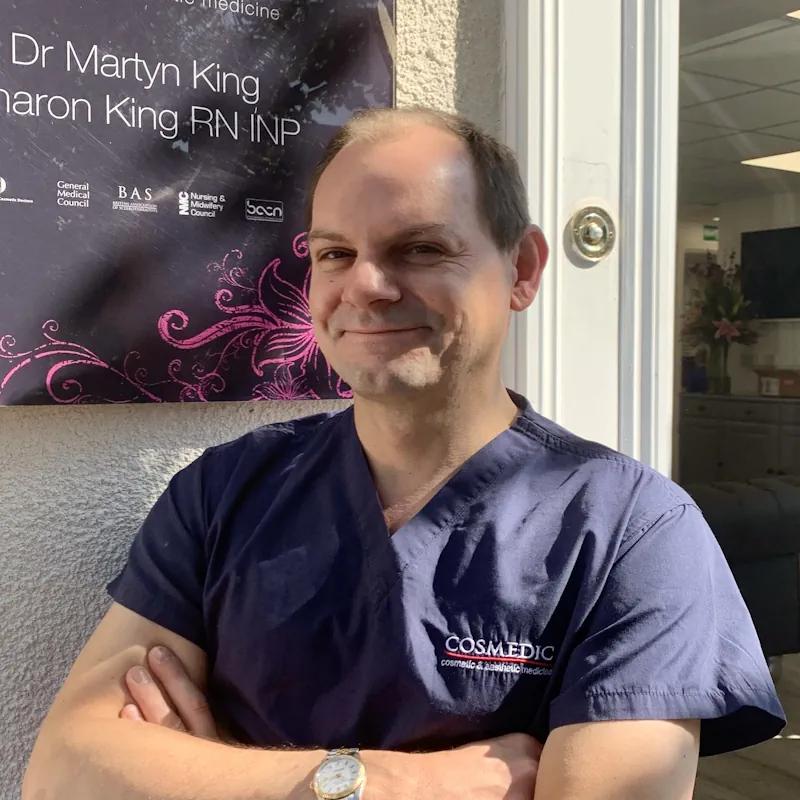
Medically Reviewed by Dr. Martyn King
GMC Registered Medical Director
This article has been peer-reviewed and verified for clinical accuracy. Dr. King is an expert in cosmetic medicine, international aesthetic trainer, and Founder of the Aesthetics Complications Expert Group (ACE).
Contents
In contemporary aesthetic dermatology, we are witnessing a significant rise in what is often termed "sensitised" skin. Unlike naturally sensitive skin, which is a genetic predisposition, sensitised skin is a temporary state of distress. It is frequently the result of a compromised skin barrier, driven by environmental stressors, aggressive over-exfoliation, or an over-reliance on potent active ingredients.
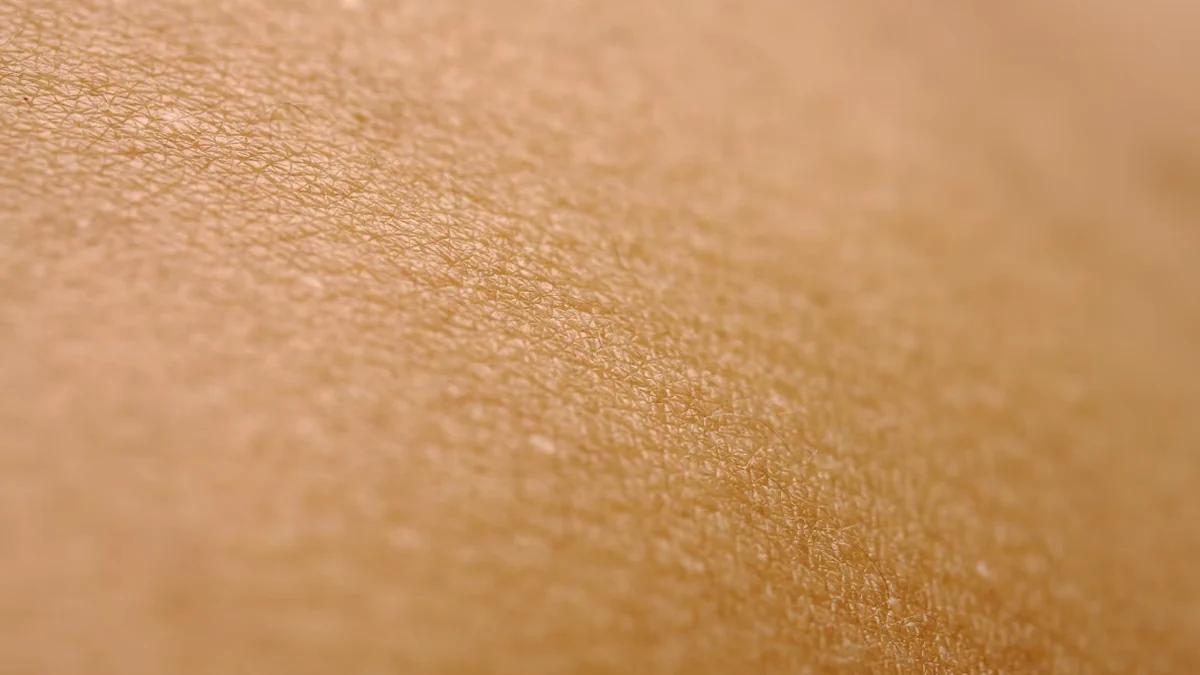
When the skin barrier—the stratum corneum—is breached, it loses its ability to retain moisture and defend against irritants. This leads to a cycle of redness, burning, extreme dryness, and inflammatory flares. To move from irritation to rehabilitation, we must look at the clinical mechanisms of skin repair and the advanced regenerative strategies available today.
Understanding the Compromised Barrier
The skin barrier acts as a biological shield. When it is healthy, it maintains a "bricks and mortar" structure of corneocytes and lipids. However, various systemic and external factors can accelerate the degradation of this structure.
For instance, systemic health plays a vital role in how our skin maintains its integrity. Research into regenerative therapies for patients with diabetes highlights how metabolic status can influence skin aging and barrier function. Individuals with metabolic challenges often exhibit accelerated biological aging, manifesting as xerosis (extreme dryness) and impaired wound healing. This reminds us that barrier health is not just about what we apply topically, but how our internal physiology supports tissue repair and inflammatory responses.
The Role of Regenerative Aesthetics
When the skin is in an acute state of distress, the goal shifts from "correction" to "rehabilitation." This is where regenerative aesthetics offers promising pathways. Rather than simply masking symptoms with occlusives, clinical interest has turned toward cellular communication to signal the skin to repair itself.
One of the most significant developments in this area is the use of exosomes. These are extracellular vesicles that facilitate communication between cells, potentially aiding in the management of skin aging and scarring. A systematic review of microneedling and exosomes suggests that these technologies hold great promise for improving skin quality and addressing dermatological conditions by supporting the skin's natural regenerative cycles. For those with a compromised barrier, these biologically targeted strategies may offer a more nuanced approach to rejuvenation than traditional, more aggressive treatments.
Navigating Professional Treatments
For patients experiencing skin distress, it is crucial to approach professional aesthetic procedures with caution. While treatments like Radiofrequency Microneedling (RFMN) are highly effective for skin tightening and collagen induction, they must be performed on a stable skin foundation.
Clinical evidence suggests that the long-term impact of such treatments must be carefully managed. For example, a scoping review on RFMN and surgical outcomes noted that these procedures can cause significant changes in tissue planes and collagen deposition. This emphasizes the importance of a healthy barrier and a well-prepared dermal environment before undergoing high-energy device treatments. If the skin is already reactive or compromised, the risk of adverse inflammatory responses or suboptimal healing increases.
The Clinical Reset: Steps to Rehabilitation
If you are experiencing the hallmarks of barrier damage—tightness, stinging, or persistent redness—a "skin barrier reset" is the recommended clinical course of action.
- Simplify the Regimen: Immediately cease the use of retinoids, alpha-hydroxy acids (AHAs), and physical exfoliants. The skin needs a period of "rest" to restore its lipid profile.
- Focus on Physiological Lipids: Look for formulations containing ceramides, cholesterol, and fatty acids. These ingredients mimic the skin’s natural barrier and help to "plug" the gaps in the stratum corneum.
- Gentle Cleansing: Use non-foaming, pH-balanced cleansers that do not strip the skin of its natural oils.
- Environmental Protection: A compromised barrier is highly susceptible to UV damage and pollution. Use mineral-based sunscreens that provide a physical shield without the potential irritation of chemical filters.
- Professional Consultation: If redness and irritation persist, it is essential to consult a healthcare provider. They can assess whether the symptoms are purely aesthetic or if there is an underlying dermatological concern that requires medical intervention.
Conclusion
Rehabilitating a compromised skin barrier requires patience and a shift in focus from "aggressive results" to "biological health." By understanding the intersection of systemic health, regenerative science, and proper procedural timing, we can restore the skin to a state of resilience. A healthy barrier is not just the foundation of a good skincare routine; it is the prerequisite for all successful aesthetic outcomes.