Medical-Grade Skincare vs. OTC: The Clinical Difference
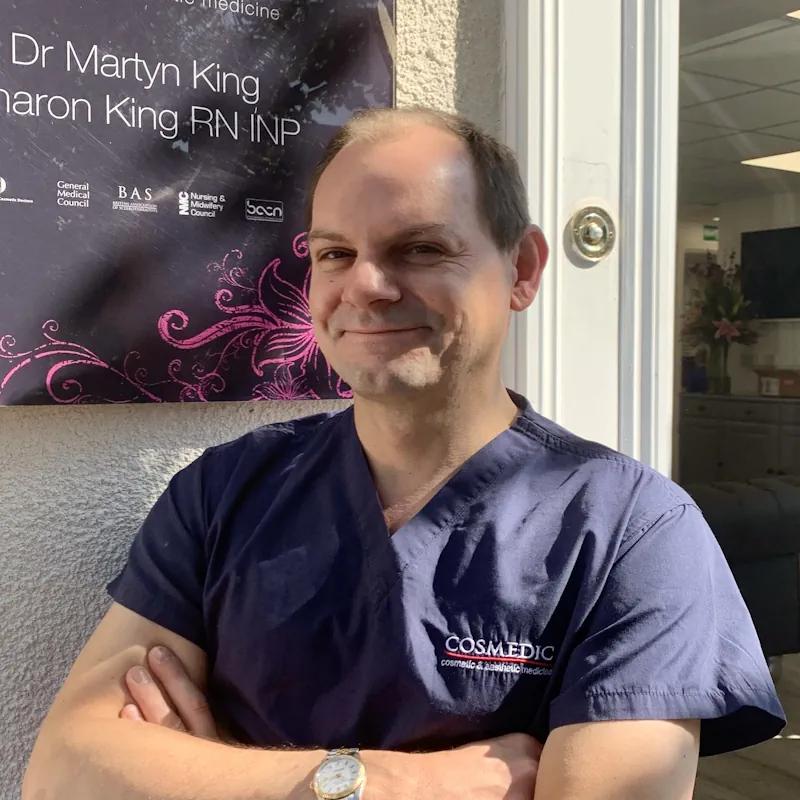
Medically Reviewed by Dr. Martyn King
GMC Registered Medical Director
This article has been peer-reviewed and verified for clinical accuracy. Dr. King is an expert in cosmetic medicine, international aesthetic trainer, and Founder of the Aesthetics Complications Expert Group (ACE).

Contents
In recent years, the landscape of skincare has shifted dramatically. Consumers are moving away from "skin-fluencer" trends and viral marketing, seeking instead the substance of clinical science. As a practitioner, I frequently encounter the question: "Is there really a difference between the high-street creams and medical-grade cosmeceuticals?"
The answer lies in the intersection of pharmacology and aesthetics. While over-the-counter (OTC) products are designed for the general population and must adhere to strict safety limits regarding active ingredient concentrations, cosmeceuticals are formulated to bridge the gap between cosmetics and pharmaceutical-grade topicals.
The Potency and Delivery Challenge
The primary differentiator for medical-grade skincare is the concentration of active ingredients and the sophistication of their delivery systems. High-street brands often contain "hero" ingredients—such as retinol or vitamin C—but often at levels insufficient to induce significant cellular change. Furthermore, these ingredients must penetrate the skin’s natural barrier to be effective.
In clinical dermatology, we look at how products influence tissue at a deeper level. For instance, advanced treatments and topicals aim to address collagen deposition through multiple tissue layers, a process that is essential for addressing skin laxity and structural aging. OTC products typically sit on the stratum corneum (the outermost layer), providing hydration but failing to stimulate the regenerative processes required for true rejuvenation.
Addressing Accelerated Biological Aging
Skincare is not a one-size-fits-all solution, particularly when biological factors accelerate the aging process. Research into specific health conditions, such as diabetes mellitus, has highlighted how advanced glycation end products and oxidative stress can lead to premature wrinkling and xerosis.
For individuals experiencing these complex pathophysiological mechanisms, standard high-street moisturizers are often inadequate. Medical-grade protocols allow for a "diabetes-informed" approach to aesthetics, utilizing ingredients that target microvascular dysfunction and chronic low-grade inflammation—areas where traditional retail skincare lacks the clinical reach.
The Rise of Regenerative Science
The most exciting frontier in cosmeceuticals is the move toward regenerative medicine. We are seeing a transition from merely "masking" signs of aging to utilizing biologically targeted strategies.
Ingredients such as exosomes and secretomes are currently at the forefront of clinical research. These mesenchymal stromal cell-derived products are being studied for their efficacy in treating skin aging, hyperpigmentation, and enlarged pores. Unlike high-street products that rely on basic emollients, these medical-grade innovations aim to communicate with the skin cells to promote repair and health from within.
Why Professional Guidance is Essential
The strength of medical-grade skincare is also its greatest responsibility. Because these formulas are more potent, they require professional oversight to ensure they are used correctly and safely.
Clinical-grade ingredients can significantly alter the skin’s composition. For example, certain intensive treatments can lead to dermal fibrosis or altered tissue planes, which are important considerations for anyone who may consider surgical interventions in the future. A detailed consultation with a healthcare provider ensures that your skincare routine complements your long-term aesthetic goals without causing unforeseen complications.
Conclusion
Choosing between high-street and medical-grade skincare is ultimately a choice between general maintenance and targeted clinical results. While OTC products have their place in a basic hygiene routine, those looking to address specific concerns—such as deep-set wrinkles, loss of elasticity, or complex biological aging—will find that the evidence-based approach of cosmeceuticals offers a level of efficacy that mass-market brands simply cannot match.